Planetary Health
Why We Invested in Neuron Industries
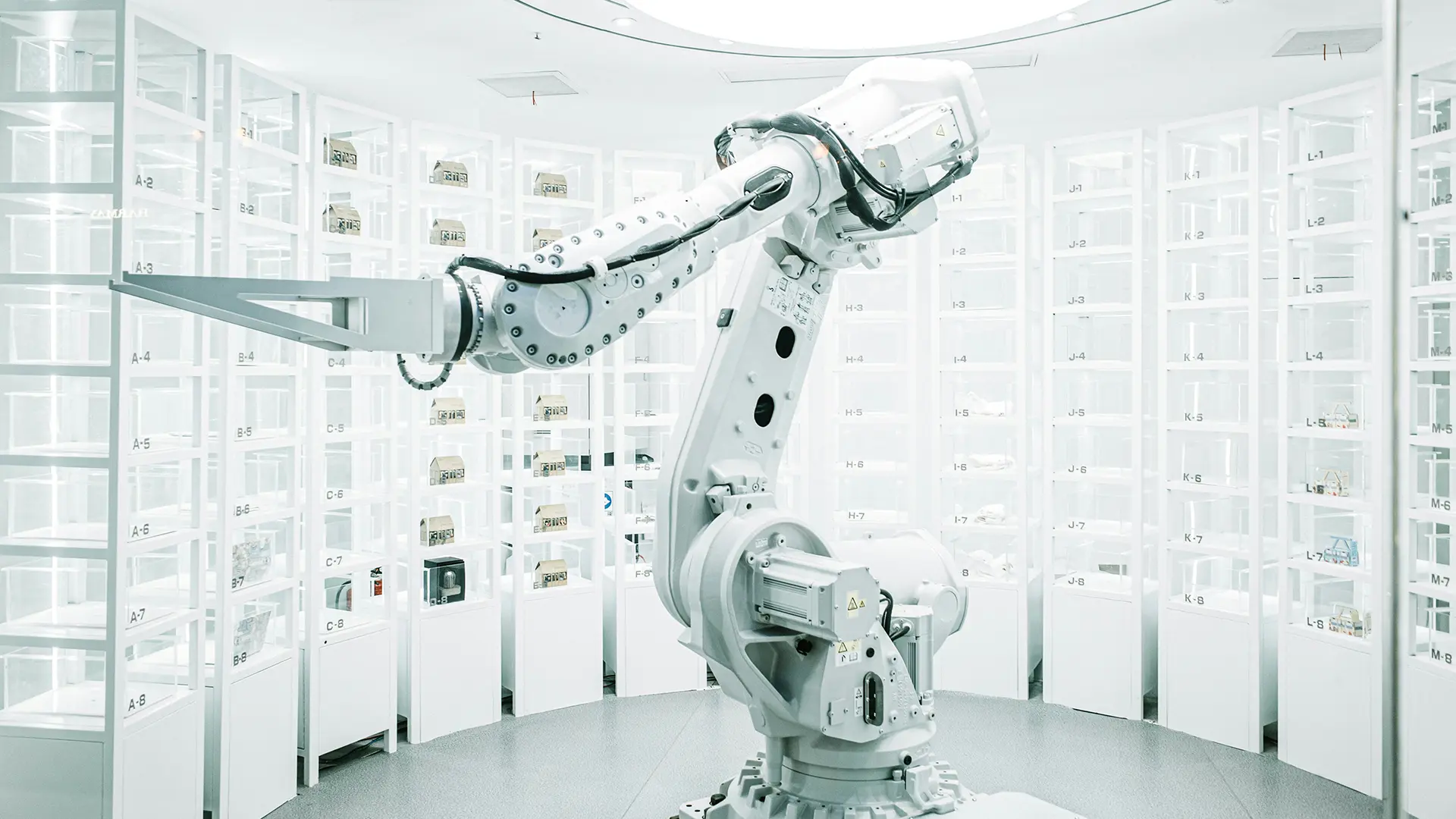
Walk into almost any factory, warehouse, or processing plant in the world and you’ll find a small computer quietly running the show. It’s called a programmable logic controller (PLC), and a single facility can hold hundreds or even thousands of them. PLCs decide when a conveyor moves, when a valve opens, and when a defective part gets pulled off the line for inspection. They also control traffic lights, chemical plants, and power stations.
PLCs are stuck in another era. Many have a tiny fraction of the computing power of a smartphone, and most are still programmed in ladder logic – essentially a language designed so code can be read like an electrician’s wiring diagram. The market is dominated by a few legacy PLC manufacturers, like Rockwell and Siemens, whose proprietary tools and software licenses make change slow and expensive.
That’s a major bottleneck, especially during a historic buildout of data centers and energy infrastructure that all requires advanced industrial capacity. What’s more, the engineers who know how to program and maintain legacy controls systems are retiring, and the next-generation isn’t lining up to replace them.
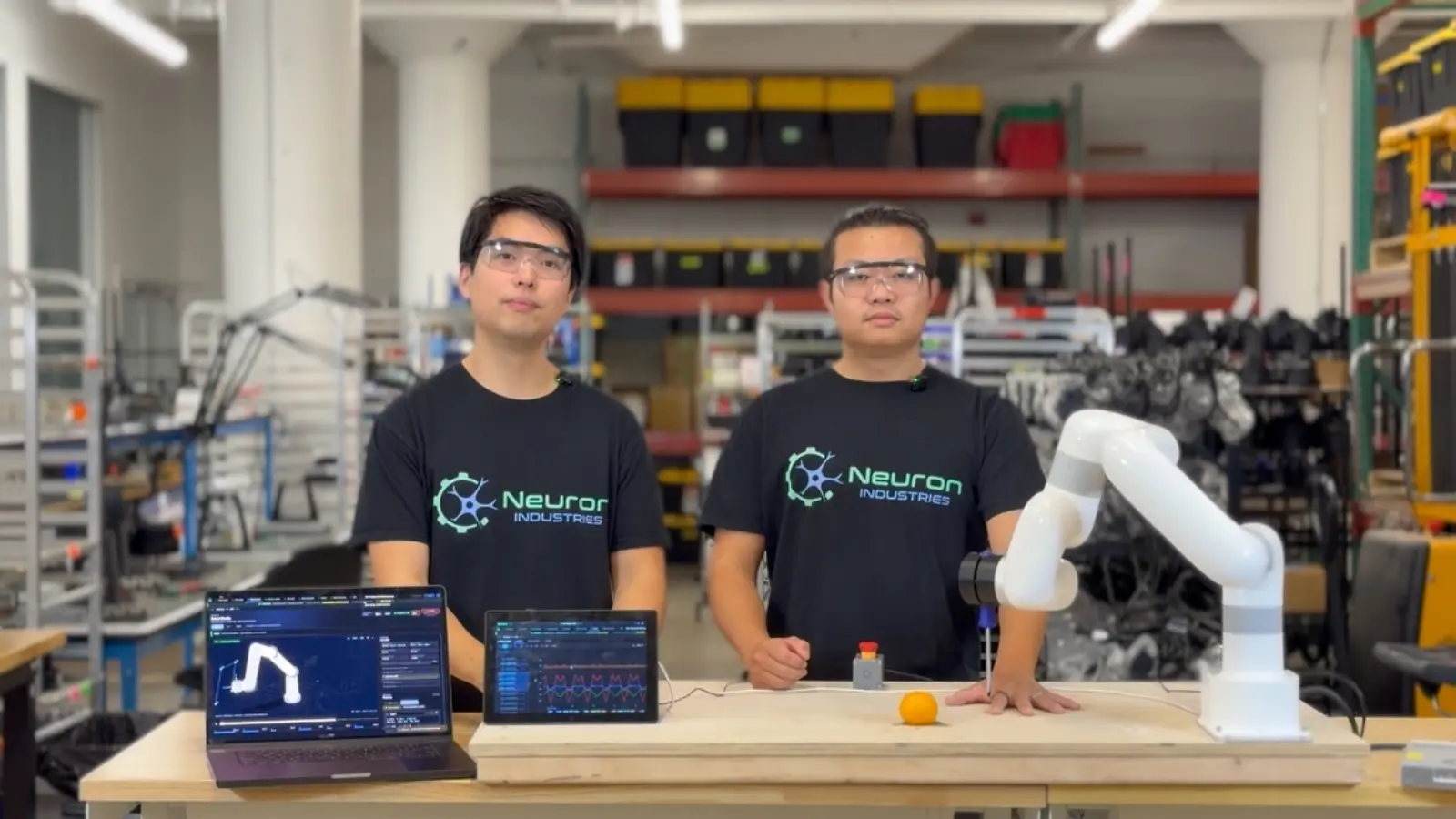
That’s why we were eager to co-lead Neuron Industries $10 million seed round. Neuron is rebuilding the industrial control stack from scratch, with new hardware and AI. Its first product, the Cortex AIC, entirely replaces the PLC and the software stack that usually come with it. Instead, engineers describe what they want a machine to do in plain English and Neuron’s AI writes real-time code. Controls projects that once took weeks can now take hours, and they can be handled by engineers without years of complex controls training.
Neuron’s technology is already showing results. Neuron is now working with some of the most exciting companies building new American industry, including NOX Metals, which runs automated, software-driven metal processing plants; Lazarus Energy, which builds modular power generators for data centers; and Rise Reforming, which turns untapped biogas into chemicals on site. At CureWood, an engineered-wood manufacturer, Neuron replaced in one eight-hour shift a decades-old controller running an entire production line. These fast-growing customers are a wedge as Neuron moves up market to larger industrial players in manufacturing and energy.
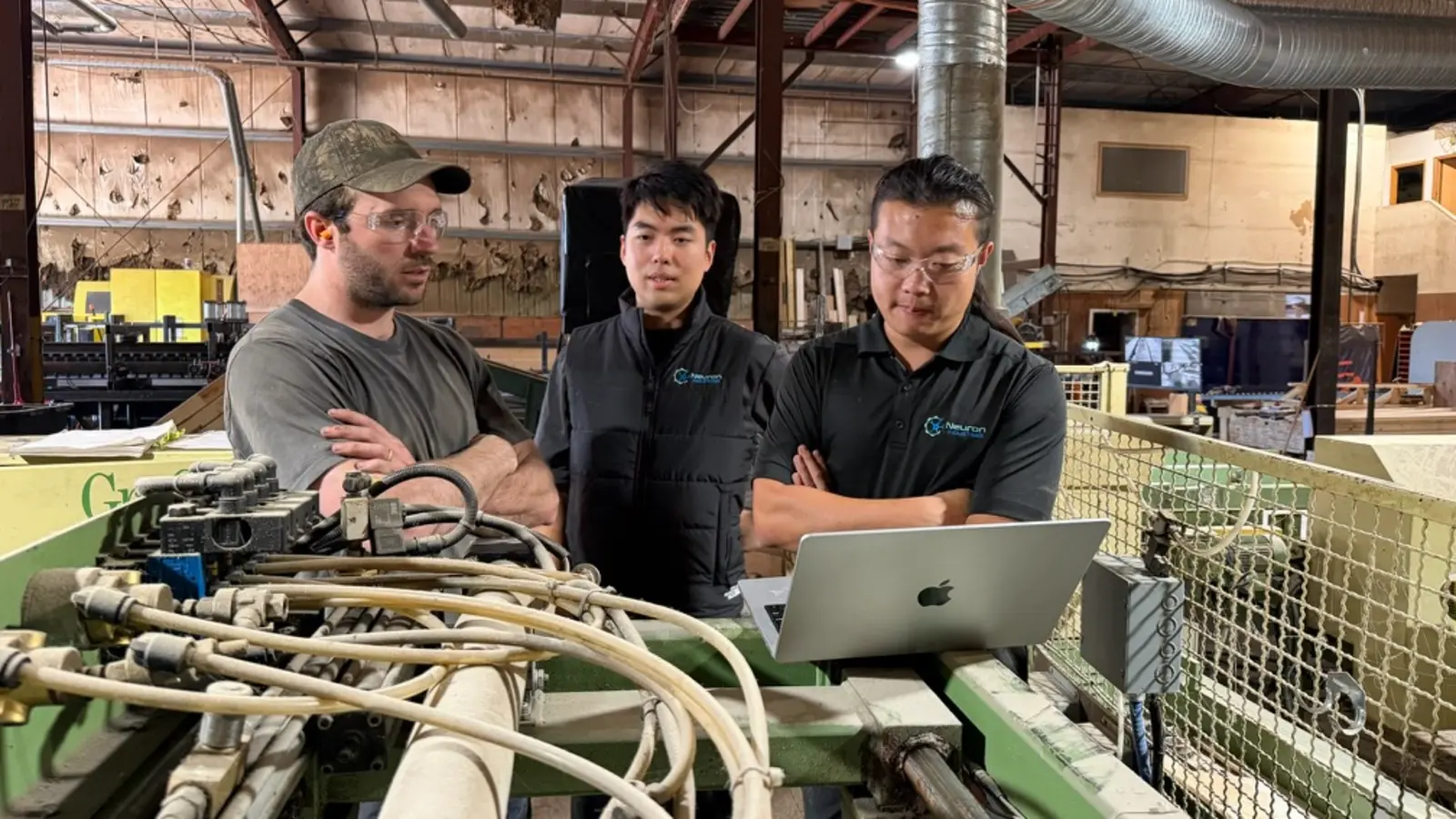
Every early-stage investment is a bet on people, and I’ve known this team for years. I first worked with Dennis Ren, Neuron’s co-founder and CEO, at Freeform, a metal 3D printing company I backed at the seed stage and supported as a board member. Dennis built the custom controllers, actuators, and circuit boards behind one of the world’s most advanced metal-printing factories. Before that, he worked on hardware at Apple, Tesla, and Amazon.
His co-founder and CTO, Kenneth Rhee, is a longtime collaborator who also worked with Freeform. Kenneth brings deep software experience from Amazon and GOAT, and he founded WorkIPO, which built enterprise systems for industrial clients. Together they pair hardware and software expertise that rarely sit under one roof in industrial automation.
Neuron fits into our autonomous manufacturing thesis across our Planetary and Economic Health pillars. More productive factories strengthen manufacturing and the communities that depend on it. Opening controls work to engineers without specialized training also widens who gets to build. Smarter, more transparent control systems help factories use less energy and waste less material. Ultimately, smarter PLC hardware and software provides the foundation for us to build autonomous factories to improve our manufacturing capacity and its contribution to global GDP.
We believe that the next era of American manufacturing will be built on software. Neuron is building the brain that runs it, and we’re proud to partner with Dennis, Kenneth, and the Neuron team as they reindustrialize America one machine at a time.

Obvious Ideas