Planetary Health
Why We Invested in Humble Robotics
When we think of autonomous trucking, we might picture a semi truck on a long stretch of highway. But a shipping container moves through dozens of environments before its long-haul journey – from ship to dock to a rail yard or warehouse with several stops along the way. These shorter, repetitive trips make up nearly 90% of today’s U.S. truck tonnage.
Humble Robotics is taking on this largely untapped, short-haul market with a new approach to driverless freight: a family of vehicles where the hardware, AI driver, and operations are all designed as a unified system. No retrofitting, no separate tractor and trailer. Just a purpose-built platform for moving freight in even the most unique scenarios and locations.
Less than a year ago, Humble Robotics started with a simple question.
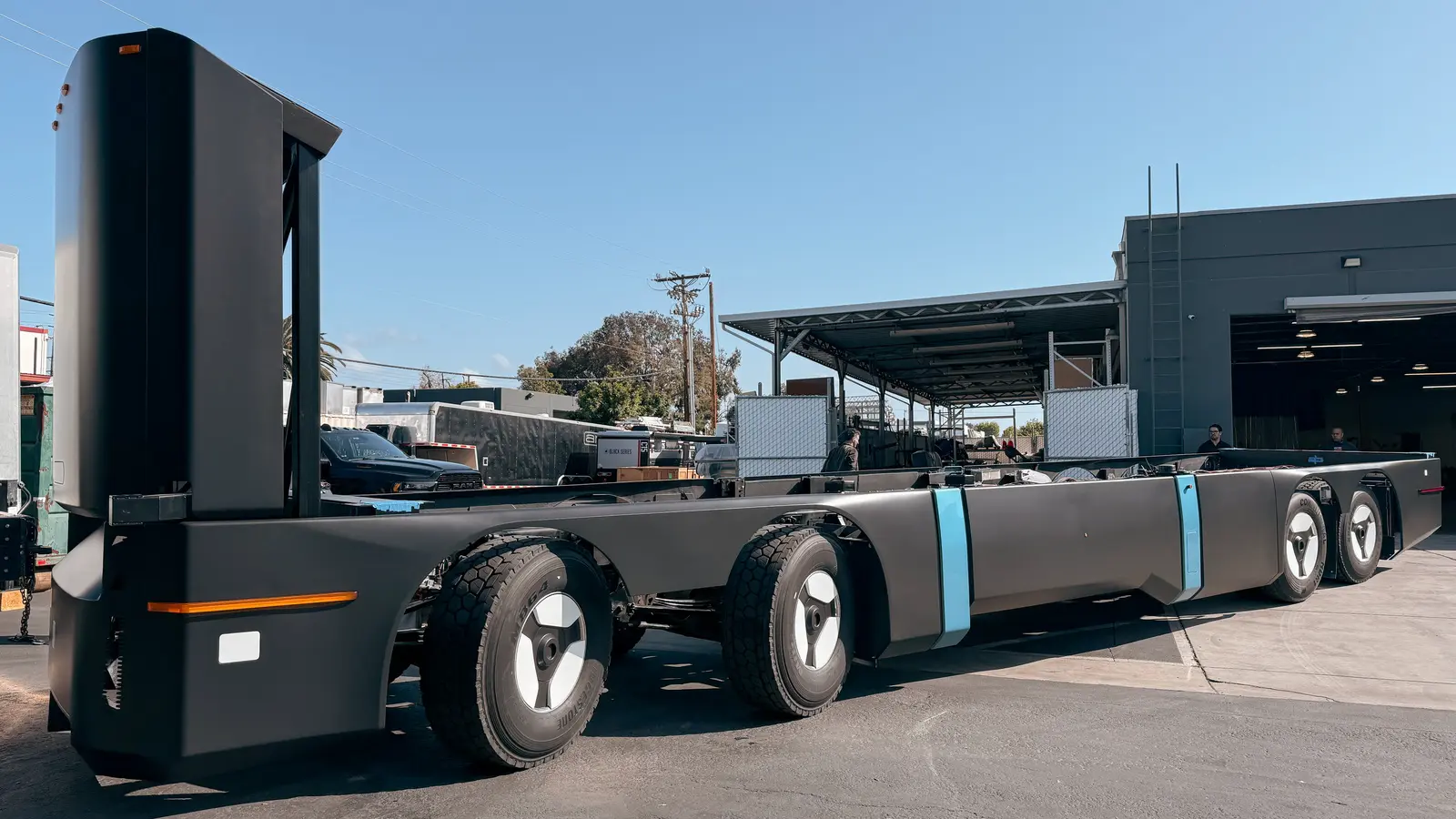
What would a truck look like if no one ever had to sit in it? Its answer is the Humble Hauler, a fully autonomous truck with no cab, and entirely electric. Containers lock on automatically, and the platform can be configured for different lengths and loads. A conventional tractor can still tow it when necessary.
Taking out the cab changes the entire trucking equation. The Hauler is about 20% lighter than a traditional semi built for the same job, so it can carry more freight per trip. And because it’s designed for short and regional routes, a range of about 200 miles covers a day’s work, which makes electric power practical. With no driver to schedule around, the same vehicle can keep work longer than an eight-hour human shift.
Humble’s driving system, which runs on a world action model, is starting with fixed, repeatable routes between ports, rail yards, and warehouses, where autonomy can most immediately prove its capability, potential, and safety.
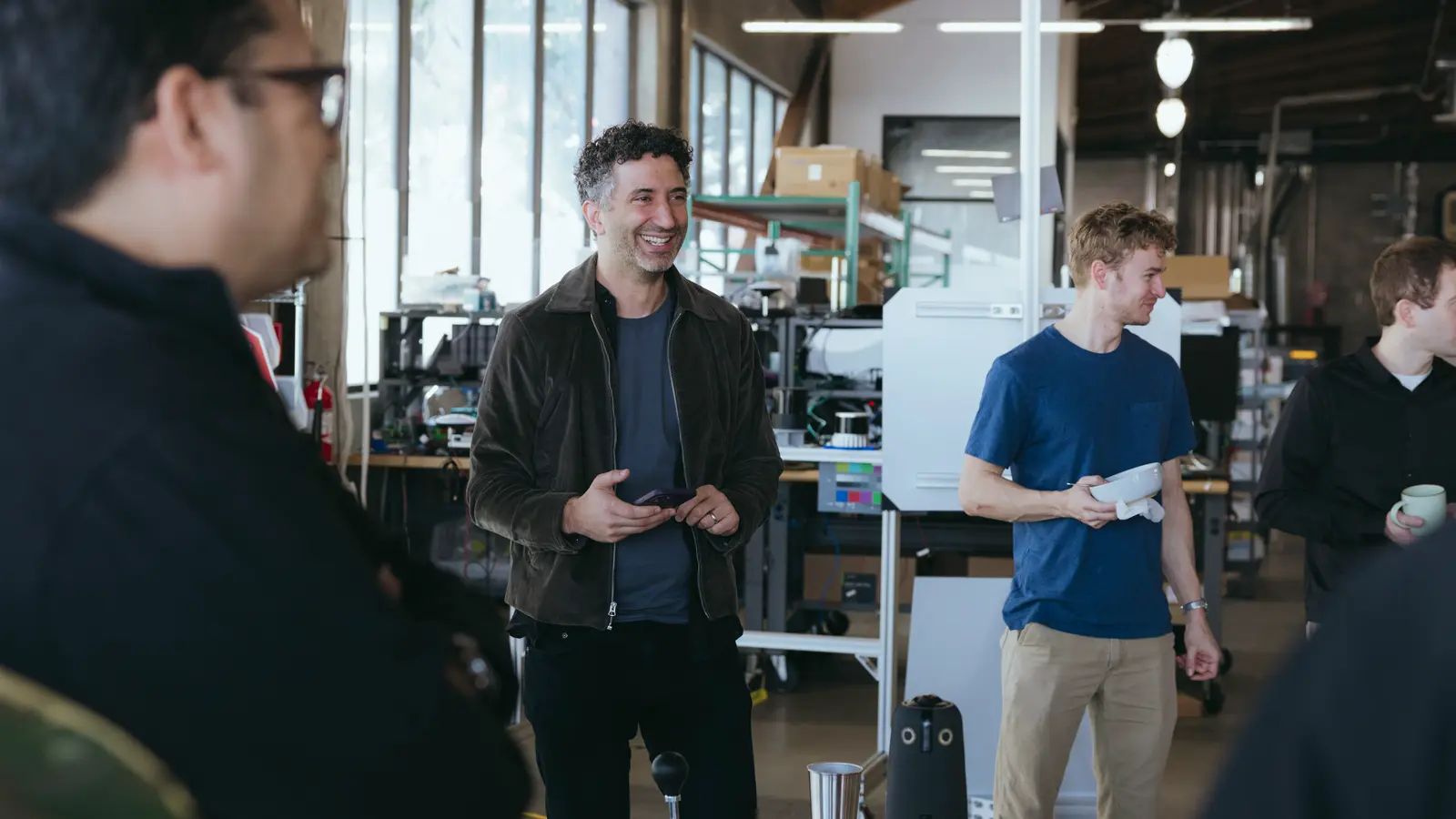
As with all of our investments, our support for Humble reflects our confidence in its team. Founder and CEO Eyal Cohen has worked on autonomy and electric vehicles at Uber, Apple, and Waabi, and he’s assembled engineers and operators from Tesla, Rivian, Google, and Cruise. Collectively, the team has touched nearly every major autonomous trucking effort of the last ten years, including the first driverless trucks in 2016.
Humble sits at the center of our Planetary Health pillar. Medium- and heavy-duty trucks produce nearly a quarter of U.S. transportation emissions, and short-haul freight is among the easiest places to replace diesel with electric. Cleaner trucks also matter for Human Health, particularly in port communities that have breathed diesel exhaust for generations. And by lowering the cost of moving goods, Humble strengthens the supply chains that keep shelves stocked and prices affordable, which also touches Economic Health.
The future of freight won’t look like today’s trucks with a computer in the driver’s seat. It will look like something built for the job from the ground up. We’re proud to partner with Eyal and the Humble team as they build it.

Obvious Ideas