Economic Health
The 3 Big Shifts Driving World Positive Progress
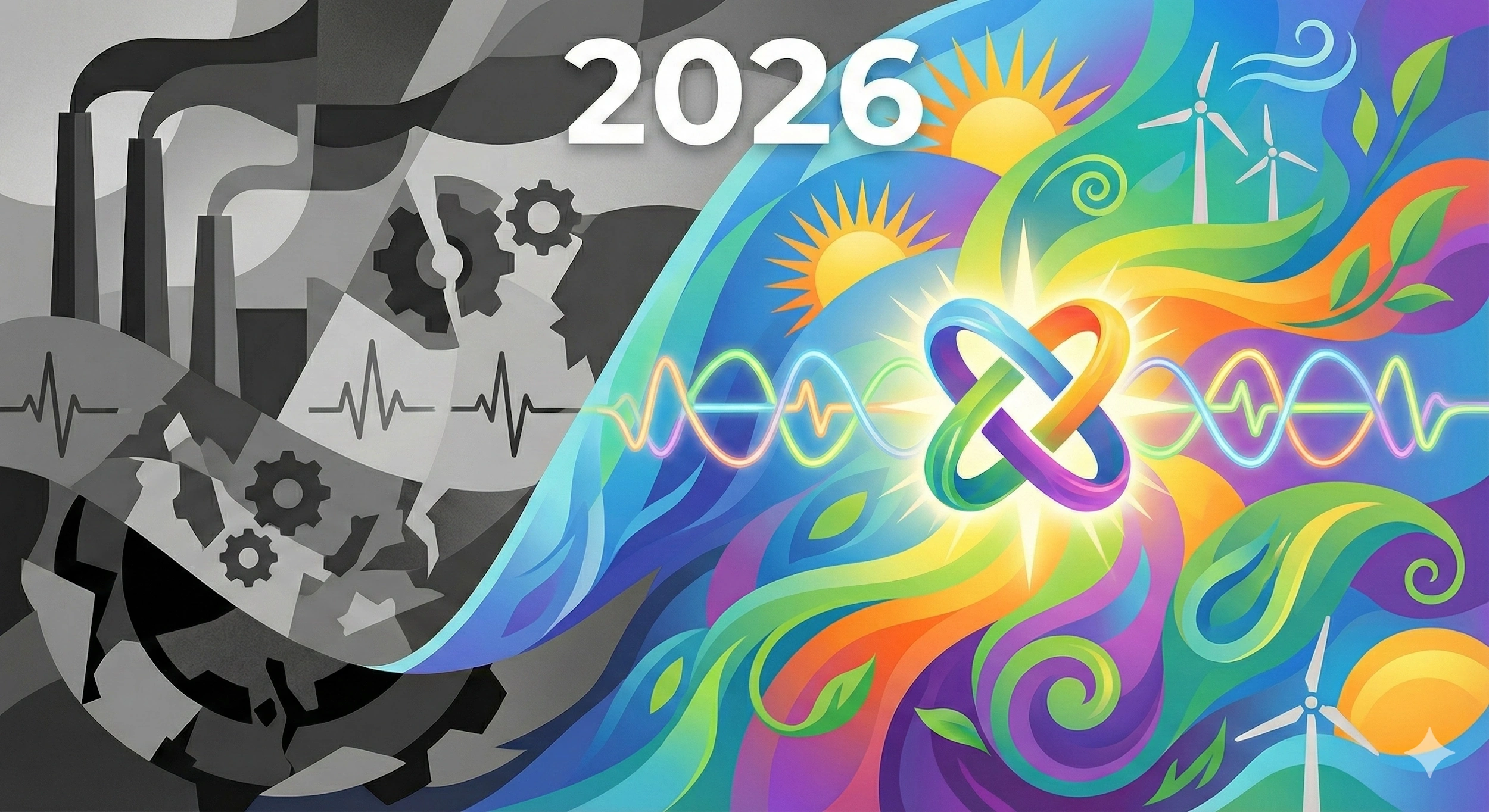
Since we founded Obvious in 2014, the world has moved meaningfully in a world positive direction. Clean energy is scaling into the backbone of the global economy. AI has moved from lab demo to everyday infrastructure. And health care is starting to feel less like a series of emergencies and more like an ongoing relationship.
We focus our investments across three pillars—planetary health, human health, and economic health. In a broader sense, however, these themes are no longer separate conversations. We see them merging in a few major interconnected shifts.
In our 2026 World Positive Report, we outlined 15 bold predictions across planetary, human, and economic health. Here, we zoom out and focus on the three biggest shifts we believe will define the coming years.
Shift 1: AI and clean power will become the new utilities
We are entering an era where two things that used to be scarce are on their way to becoming ambient: intelligence and energy.
On the planetary side, the cost of solar, wind, and geothermal keeps falling, and we see a world approaching where electricity in some regions becomes “too cheap to meter.” Power systems are shifting toward high-penetration renewable grids that behave more like bandwidth than a metered commodity, even as U.S. electricity demand is set to roughly double with the electrification of everything from homes to steel plants, plus AI workloads and desalination. No longer will the conversation be about efficiency. It’ll be about rebuilding the entire energy economy.
In human health, AI is starting to play a similar utility role. A new engagement layer is emerging where most patient interactions begin with an intelligent agent that handles triage, scheduling, symptom checks, and benefits verification. Behind the scenes, AI is becoming a persistent layer over electronic health records, supporting documentation, monitoring, and decision making, and increasingly serving as the primary workspace for clinicians.
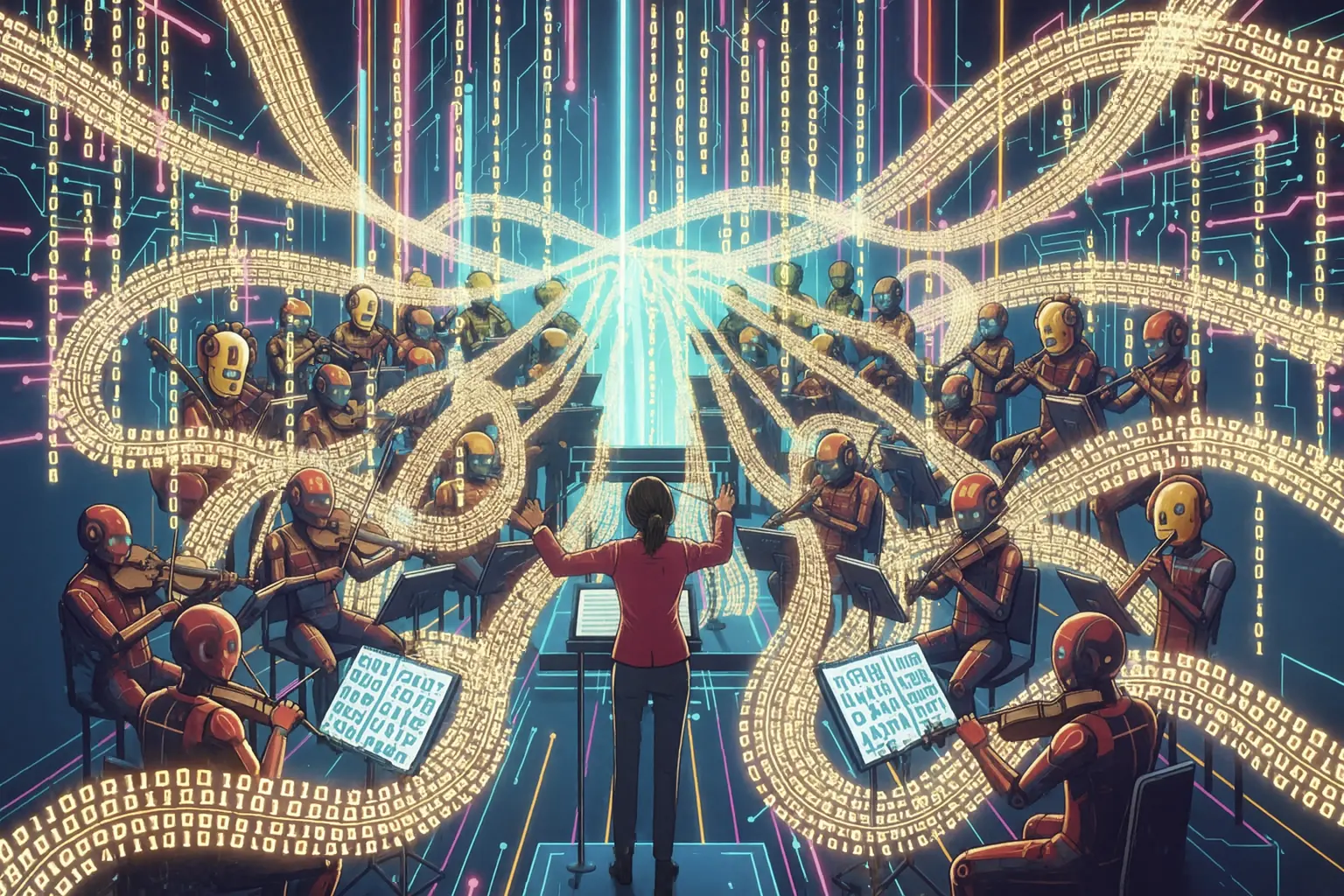
In economic health, the pattern repeats. AI and robotics are automating dangerous, inflationary jobs in warehouses, fields, and hazardous inspection environments. This shift is boosting output while improving safety. We see more growth coming to this area, especially for small businesses to treat AI agents the way they treat utilities today, with most bookkeeping, compliance, and HR work automated in the background so owners can focus on customers and growth.
Shift 2: Lives and livelihoods move from episodic to continuous
The first shift was about infrastructure, the second is about experience. The way people interact with health systems, financial systems, and work itself is moving from discrete events to continuous relationships.
In health care, the annual physical is giving way to daily insight. Direct-to-consumer services and AI-guided coaching, built on persistent personal health records, help people monitor risk and tune their health in a way that feels like control rather than surveillance. In this way, care becomes less about one-off appointments and more about ongoing adjustment, as AI-native platforms lift the traditionally heavy administrative burden and let clinicians manage bigger questions and patient relationships.
In economic health, the same shift will change how business gets done. Small business owners are already benefitting from handing off their non-customer work to specialized AI agents that close books, file payroll taxes, and renew licenses in the background. Insurance shifts from static, one-size-fits-all policies to AI-driven coverage that adapts in real time to how assets are used and what risks are emerging. For employees, benefits that were once tied to an employer begin to follow the individual. New infrastructure will make health, retirement, and disability benefits portable and practical at scale.
On the planetary side, continuity means learning to live with a hotter, more volatile world. With a likely overshoot of 2 degrees Celsius within seven years, grids, buildings, supply chains, and insurance models will experience unprecedented stress. That stress will also open a major opportunity for cities and companies to become adaptive and climate aware, with infrastructure that is instrumented, monitored, and updated in real time. Put another way, adjusting to a more volatile world will mean shifting from one-off climate projects to a cohesive strategy of climate management.
Shift 3: Climate and health move to the center of the global economy
The third shift is about where value is being created.
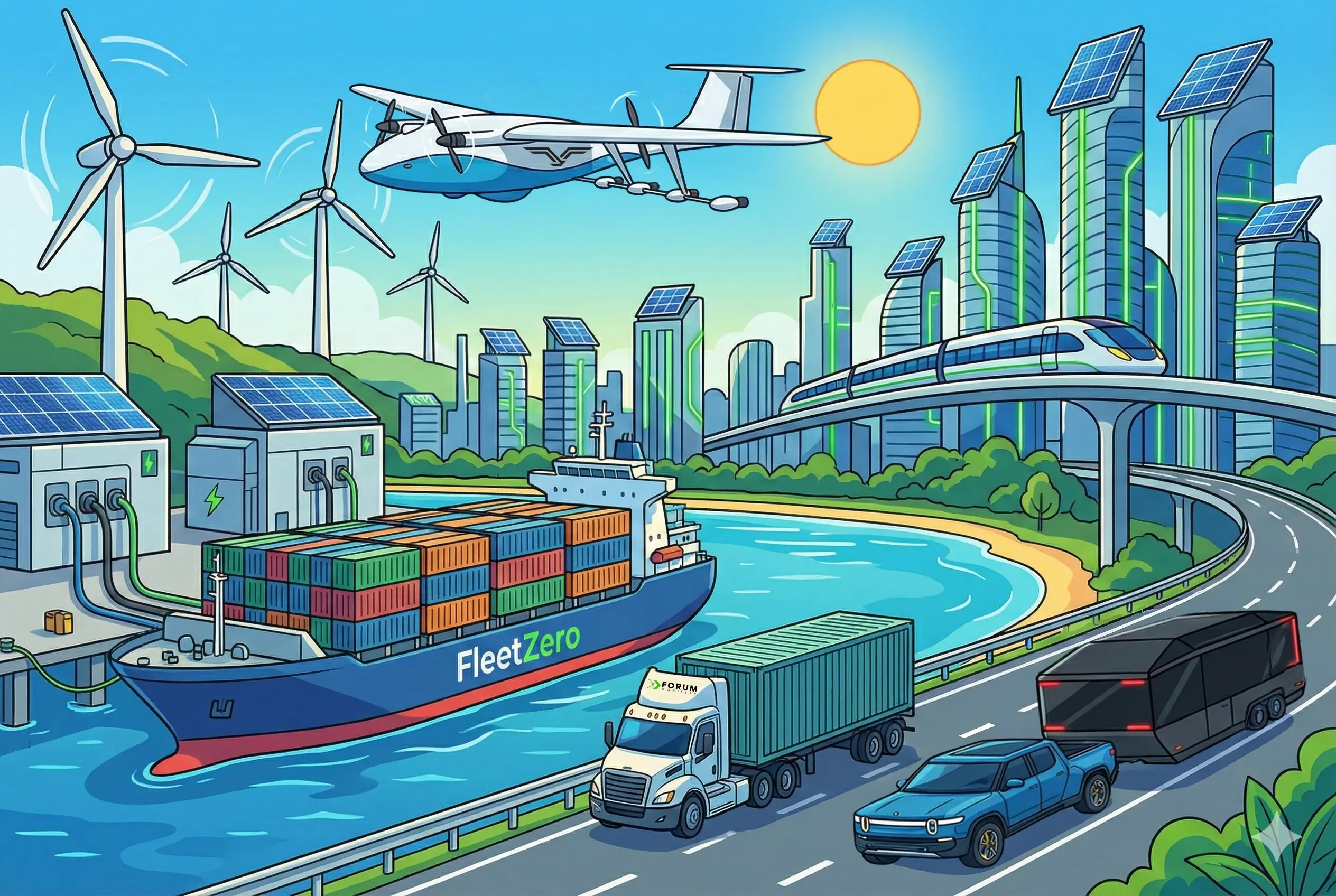
Planetary health is no longer a neglected corner of the “real” economy. More of the next generation of “decacorns” will have climate at their core, as battery makers, heat-pump manufacturers, and circular materials companies grow into global suppliers. EV demand is growing worldwide, and while the U.S. is seeing softer demand, the overall direction is still toward better unit economics and rapidly improving charging. As clean energy becomes cheaper and more reliable, the rational choice for fleets, logistics, and consumers is also the lower-carbon one.
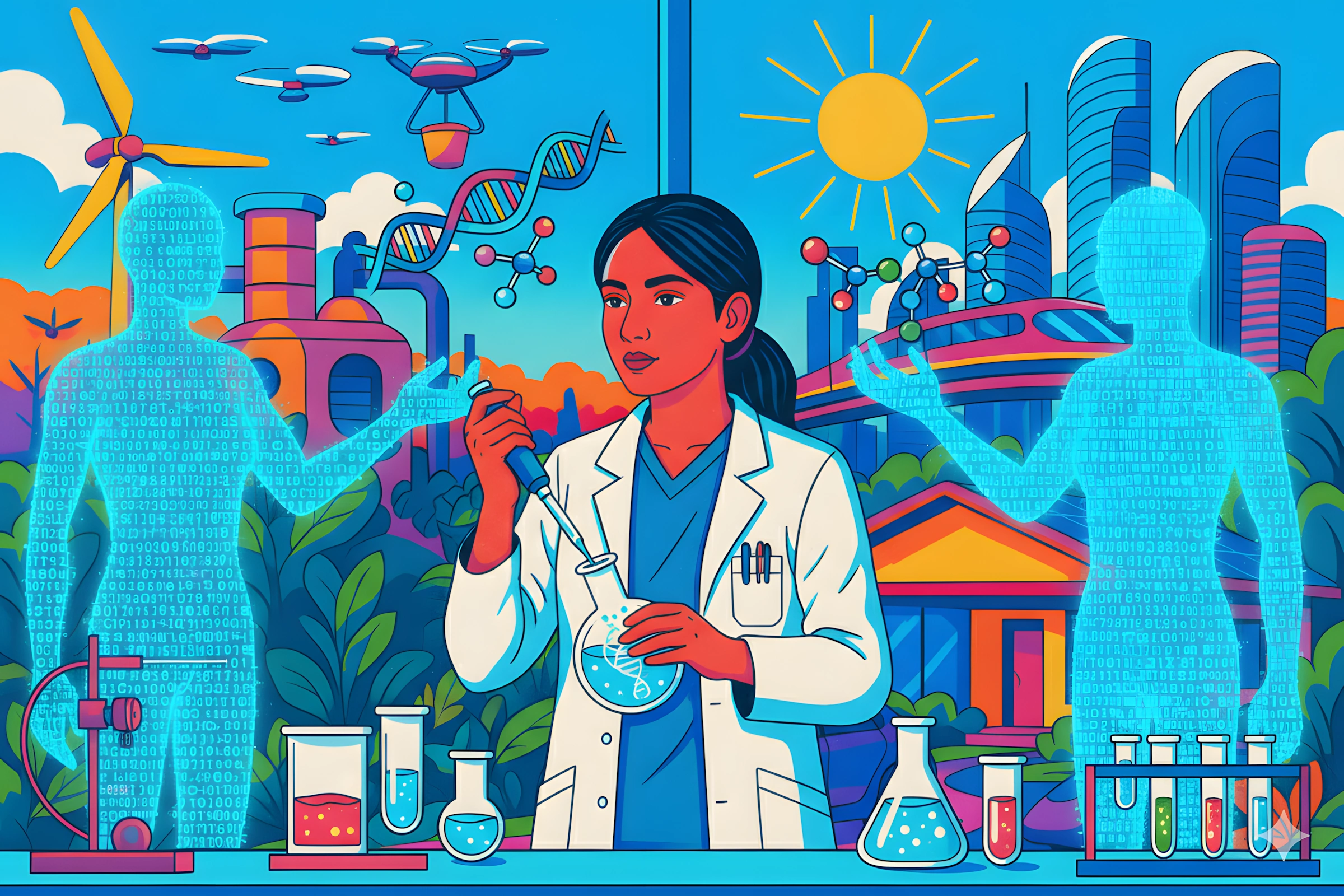
In human health, AI is reshaping the economics of care and discovery. As administrative burden falls and clinicians can manage larger panels with better outcomes, health services businesses shift from fragile, low-margin operations to scalable platforms. At the same time, generative science is accelerating the drug discovery pipeline, which will bring broad downstream effects.
In economic health, AI is rewiring financial infrastructure itself. Insurers will price risk with far greater granularity in the face of climate volatility. Portable benefits platforms become new distribution and engagement channels for financial products. At the base layer of payments, stablecoins will emerge as invisible plumbing for value moving across borders and currencies.
How we meet the moment
These shifts are in process across our pillars, but they require continuous deliberate choices about how we build, allocate, and govern capital in the years ahead.
For founders, the opportunity is to design for this new world. Build for a grid that is cleaner and more stressed. Build for a workforce that is more fluid, with agents that support them. Build for patients and consumers who expect continuous care and insight.
For investors, the work is to recognize that “world positive” is not a category. It is the shape of the emerging world.
To see all 15 of our predictions, and how we expect these shifts to play out in detail across planetary, human, and economic health, read the 2026 World Positive Report.
Obvious Ideas