Planetary Health
Why We Invested in Gritt
For half a century, nearly every part of the economy has become more productive. Manufacturing, agriculture, and retail have multiplied their output. Financial services and healthcare have kept pace too.
Construction hasn’t. The industry responsible for the power plants, data centers, and factories everything else depends on has grown less efficient decade after decade, even as the world’s list of things it needs to build grows.
The primary reason is labor. The people who do the dirty, dull and dangerous work of construction, like placing panels, tying rebar, and moving material across a site, are aging out of the workforce faster than new workers are coming in. Construction is also a steep climb for standardized systems. Every site is its own unpredictable environment with different weather, different regulations, different terrain, and a different crew each week.
That’s the problem Gritt is built to solve, and it’s why we’re leading Gritt’s Series A. We are joined by Union Square Ventures and the company’s existing investors, First Round Capital, Climactic, and Congruent Ventures.
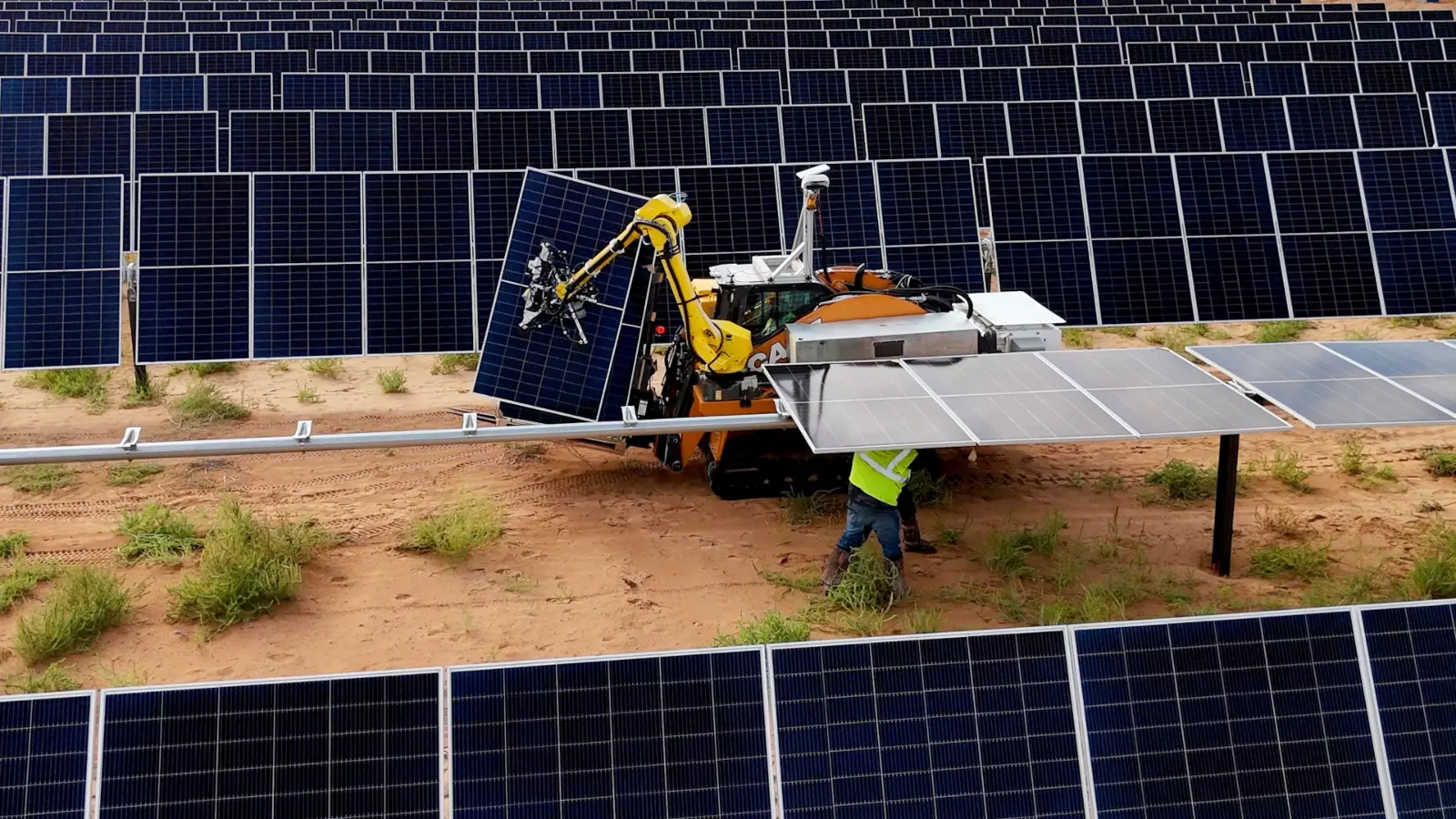
Gritt’s approach is to skip the lowest-margin and highest-cost part of robotics: building the robot. Instead, its Physical AI system attaches to equipment already on the job site: the same skid steers and forklifts crews already know how to operate and fix. One layer autonomously performs the physical work of picking up, placing, and moving loads across the site. A second layer, which the team calls its spatial AI, watches the entire site and helps supervisors make the dozens of small decisions that keep a project moving safely when the weather shifts or a delivery comes in short.
Gritt fits within our Planetary Health pillar, and has room to expand into our other pillars as well. Solar is the company’s starting point because it is urgent. While the price of solar hardware continues to fall, labor has become an increasingly large share of project costs. That creates a unique cost curve that AI, not manufacturing scale or more human workers, can bend. The same system that can place a solar module is already learning to tie rebar and set cinder blocks. Next up for Gritt: data centers, bridges, and general infrastructure.
We don’t see Gritt replacing construction workers. We see it absorbing the parts of the job that are hardest to staff and hardest on the body, allowing skilled crews to be productive and helping the industry build at the pace the world now needs.
Gritt’s systems are already deployed on live sites with some of the country’s largest power contractors, and have placed tens of thousands of solar panels. When Gritt trained its first skill, it took six months. The next one took two days.
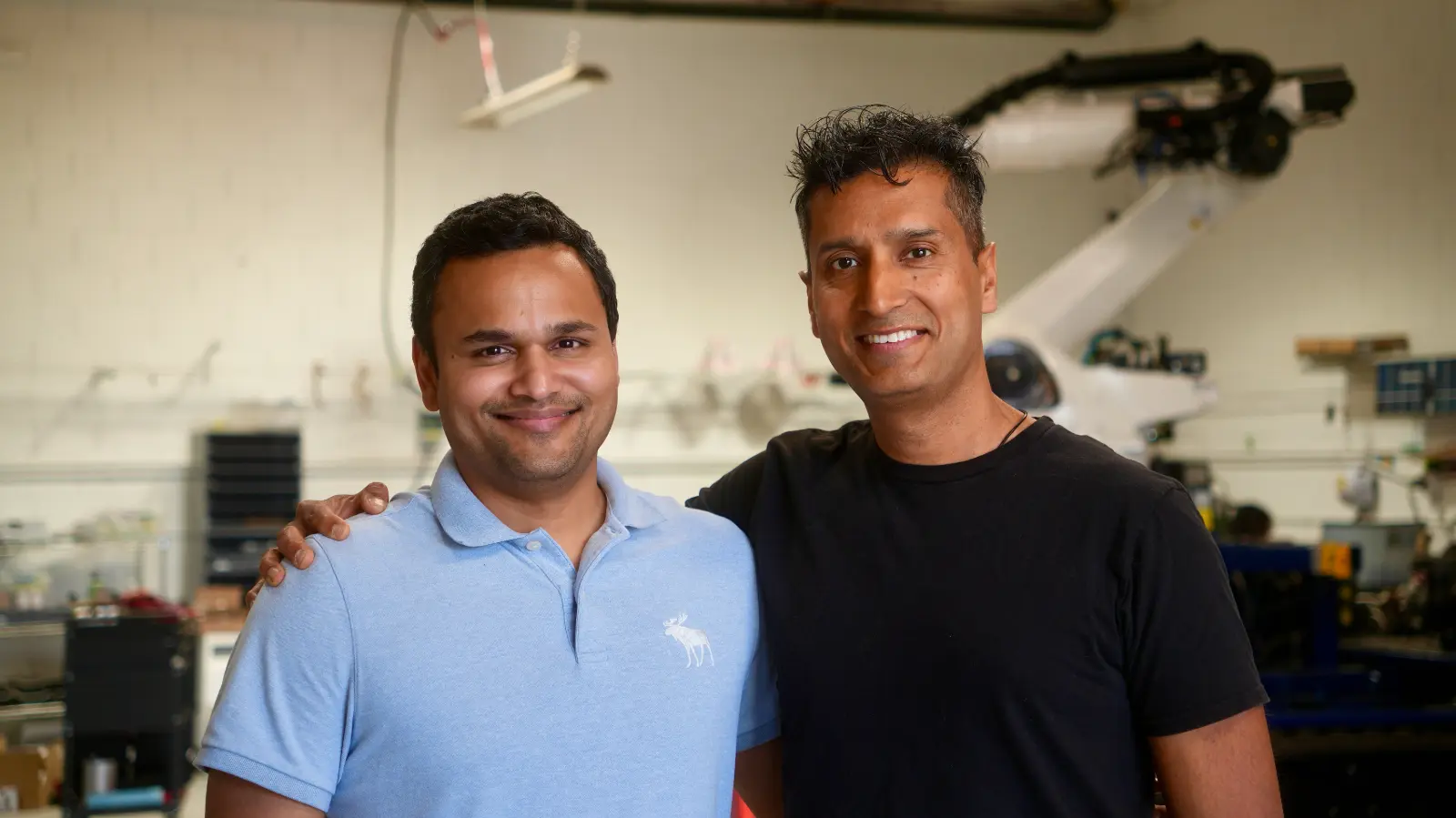
Our confidence in Gritt is rooted in its founders, Puneet Puri and Vishal Dugar. The two met as researchers at Carnegie Mellon’s Robotics Institute. Puri had already started one robotics company, building inspection drones and, previously, a robot that picked avocados. Dugar spent more than fifteen years making autonomy work in the real world, including planning routes for 80,000-pound trucks driving themselves at highway speed. Between them, they’ve built their careers on the belief that intelligence only counts if it can survive contact with a constantly changing environment.
Puri has a phrase he comes back to often: “civilization moves forward on better tools.” Gritt is creating dynamic tools for the next generation of building. We’re glad to help Gritt bring them to every job site that needs them.
Obvious Ideas